What Impossible projected
- SustainableA better food system without relying on animals
- Meat-likeThe taste and experience people already know
- HealthyA nutritionally competitive alternative
I led research and foresight to understand how changing consumer expectations and emerging trends could shape Impossible’s future, then built a 10-year strategic roadmap.
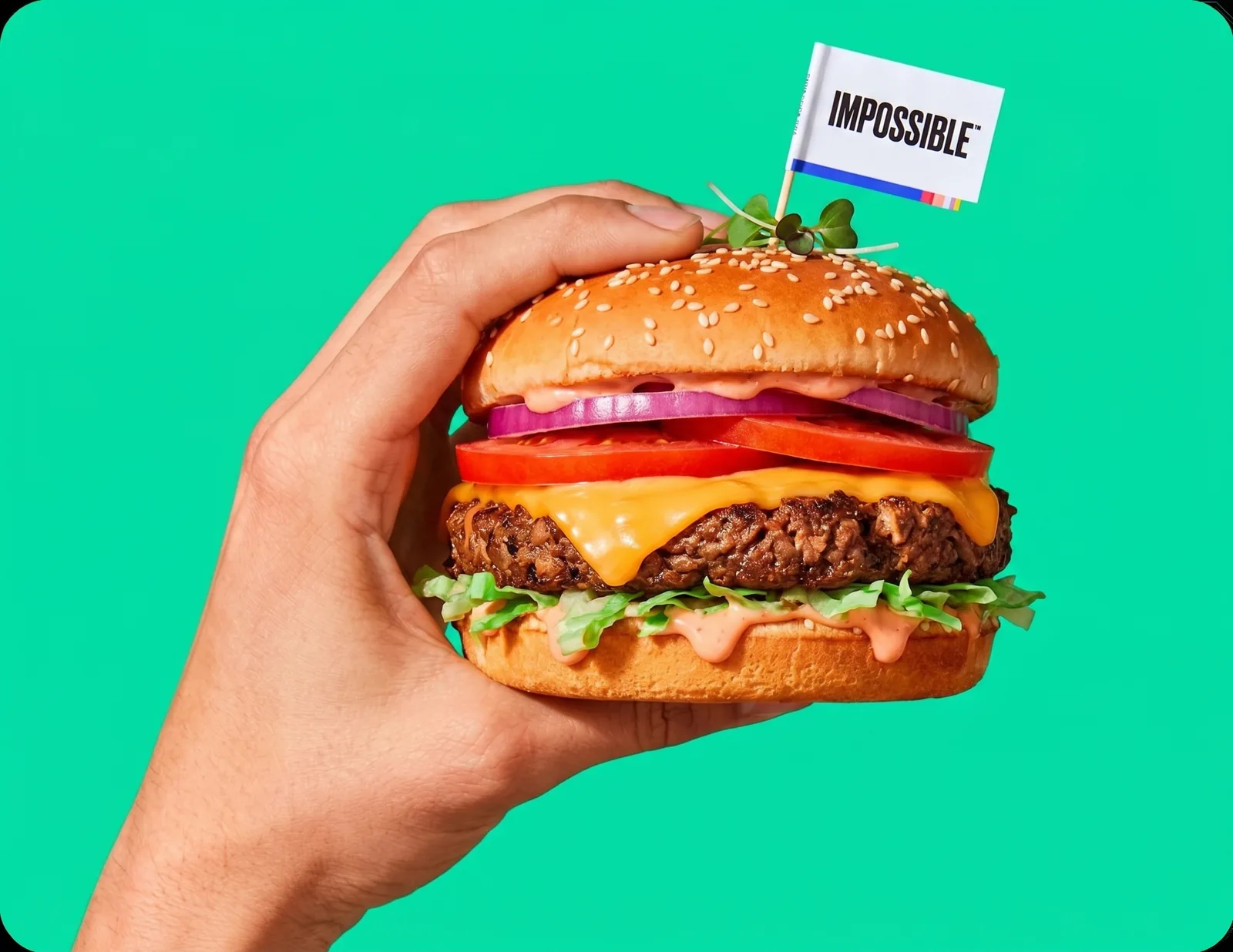
Impossible had created a category-defining product, but awareness was not translating into broad adoption. I framed the challenge beyond a campaign or package redesign, focusing on what Impossible needed to stay relevant in a changing food landscape.
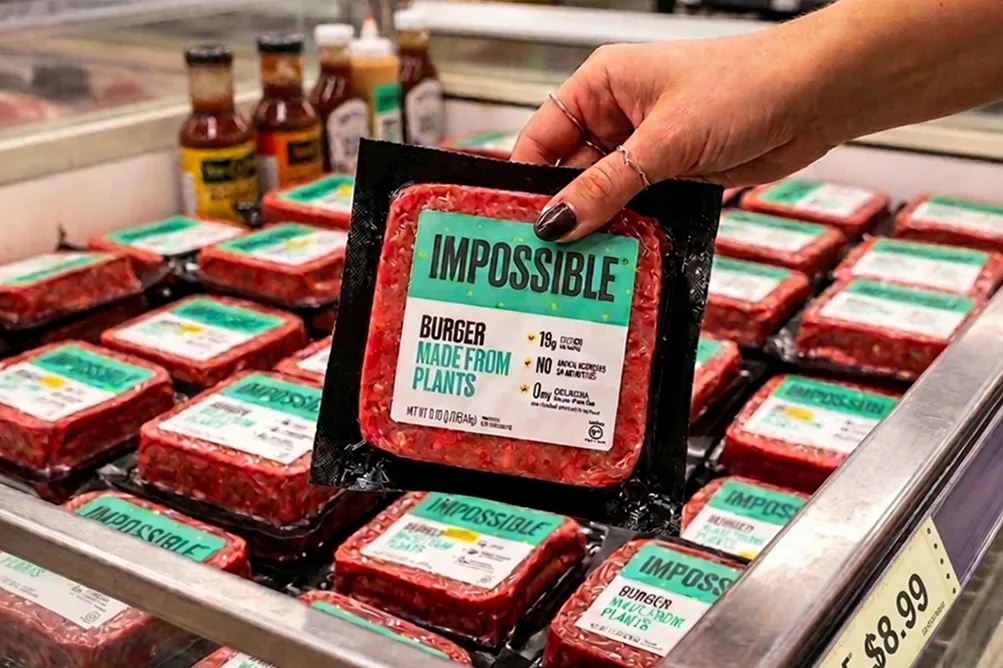
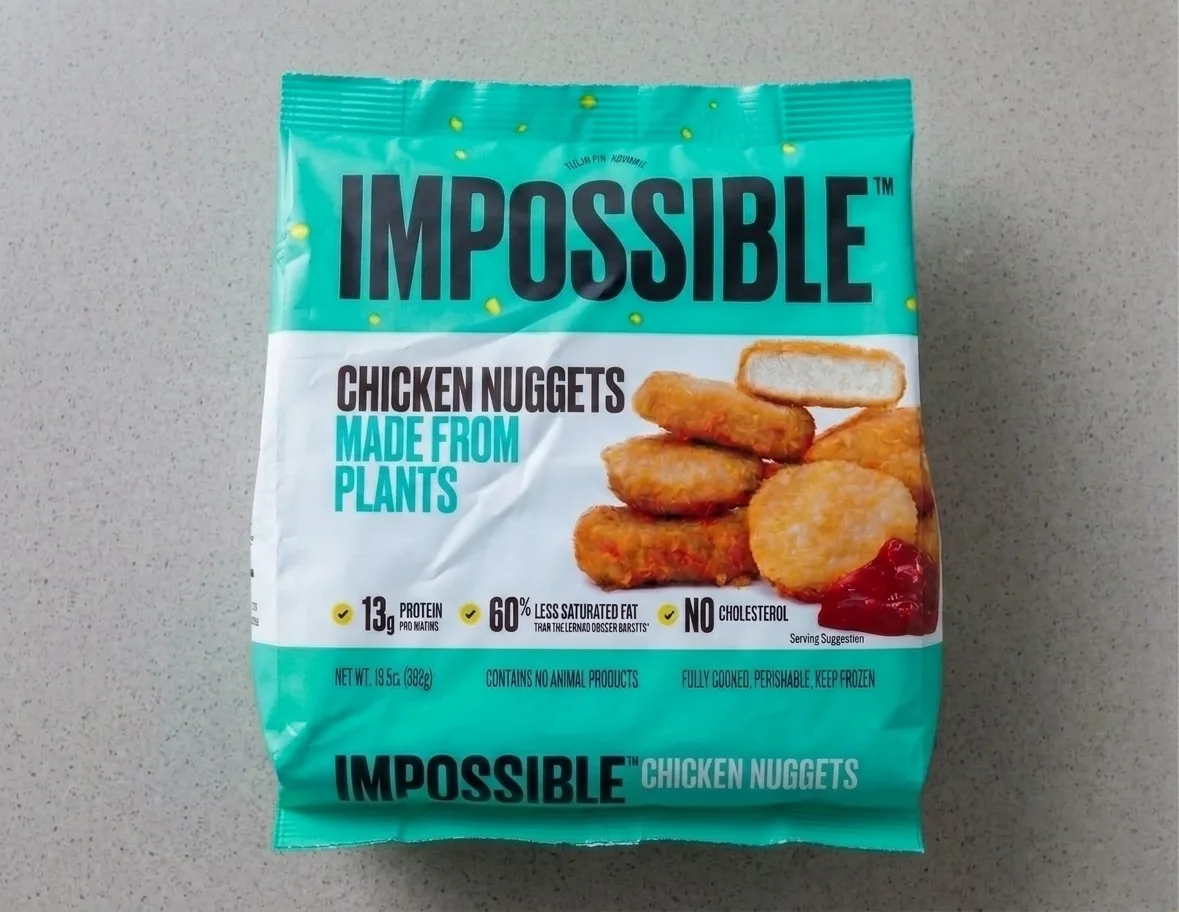
I compared the values Impossible projected with how consumers perceived the company, then traced how that gap showed up at the shelf.
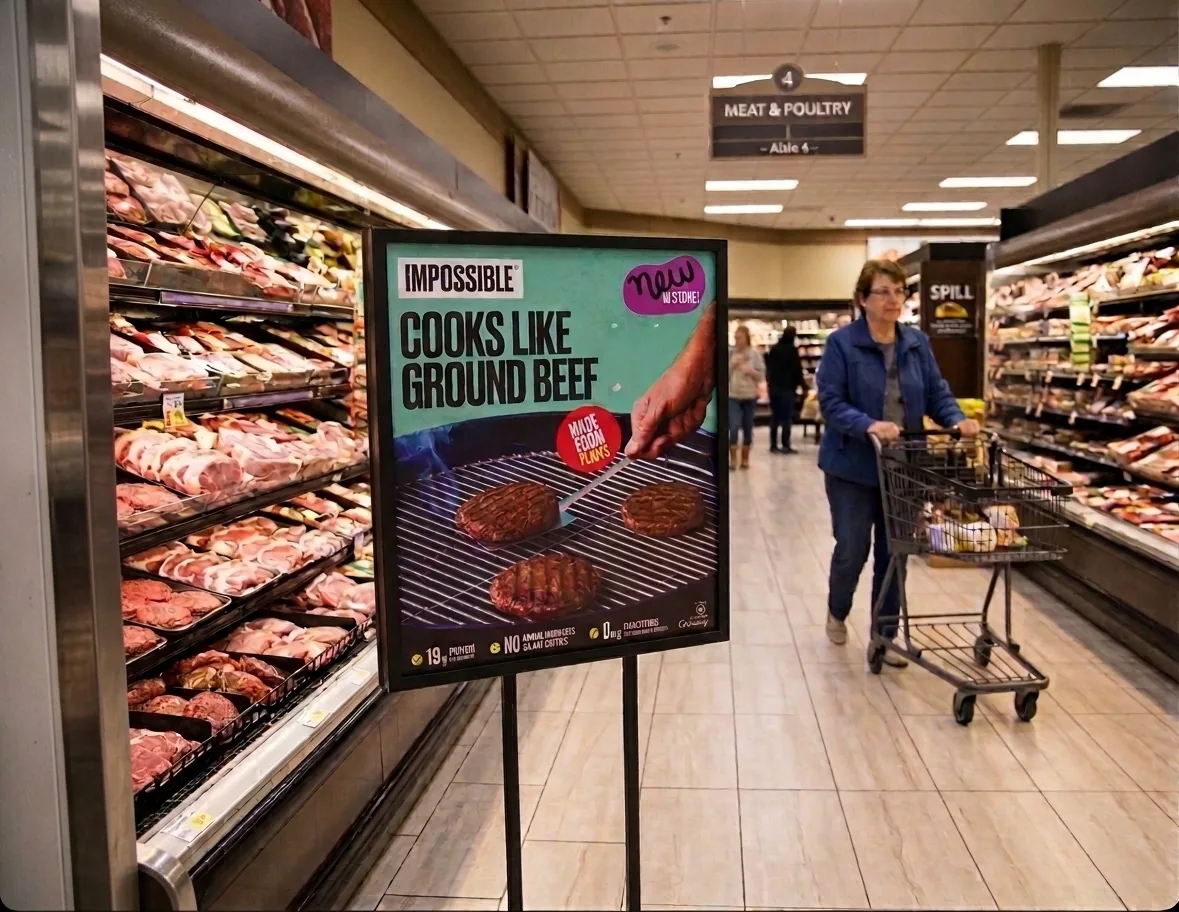
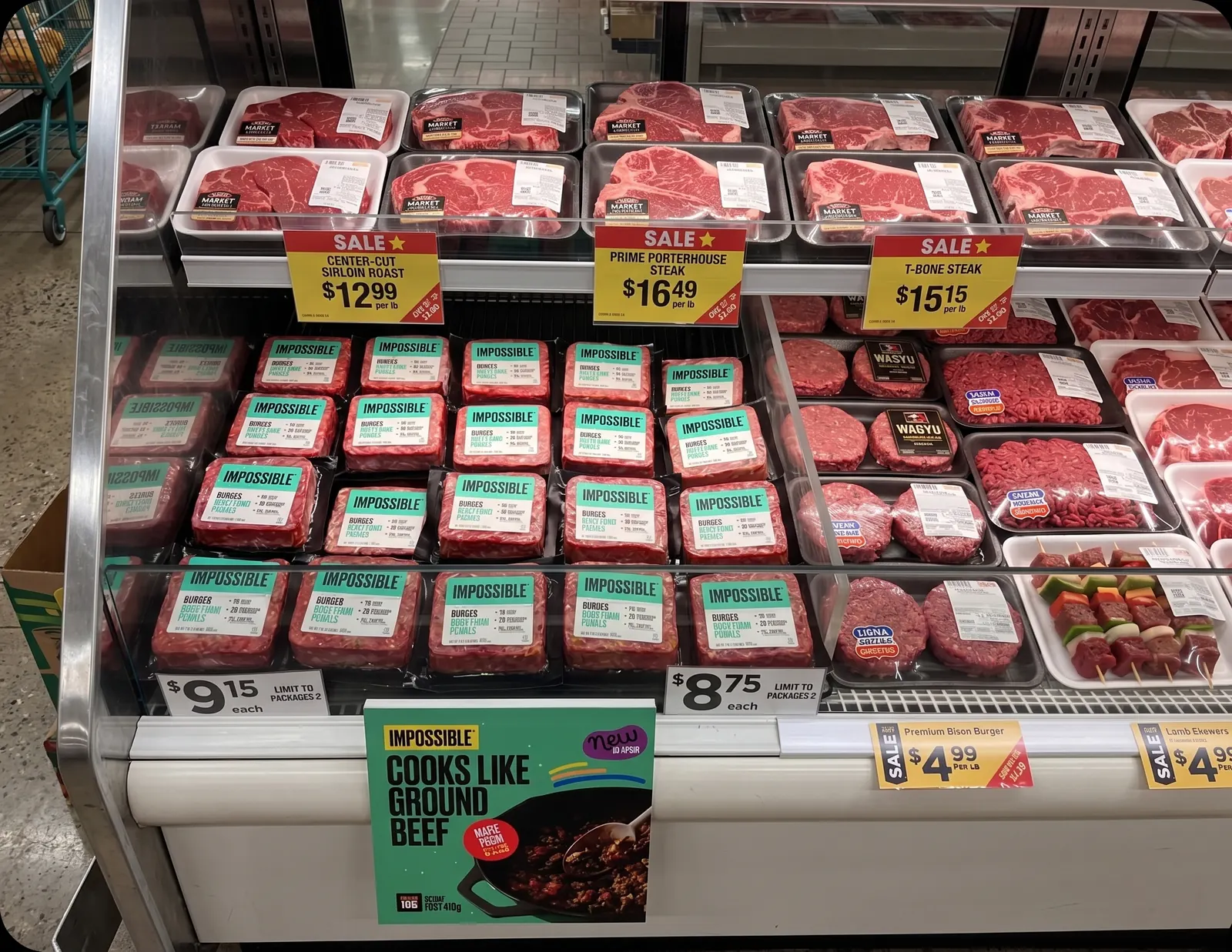
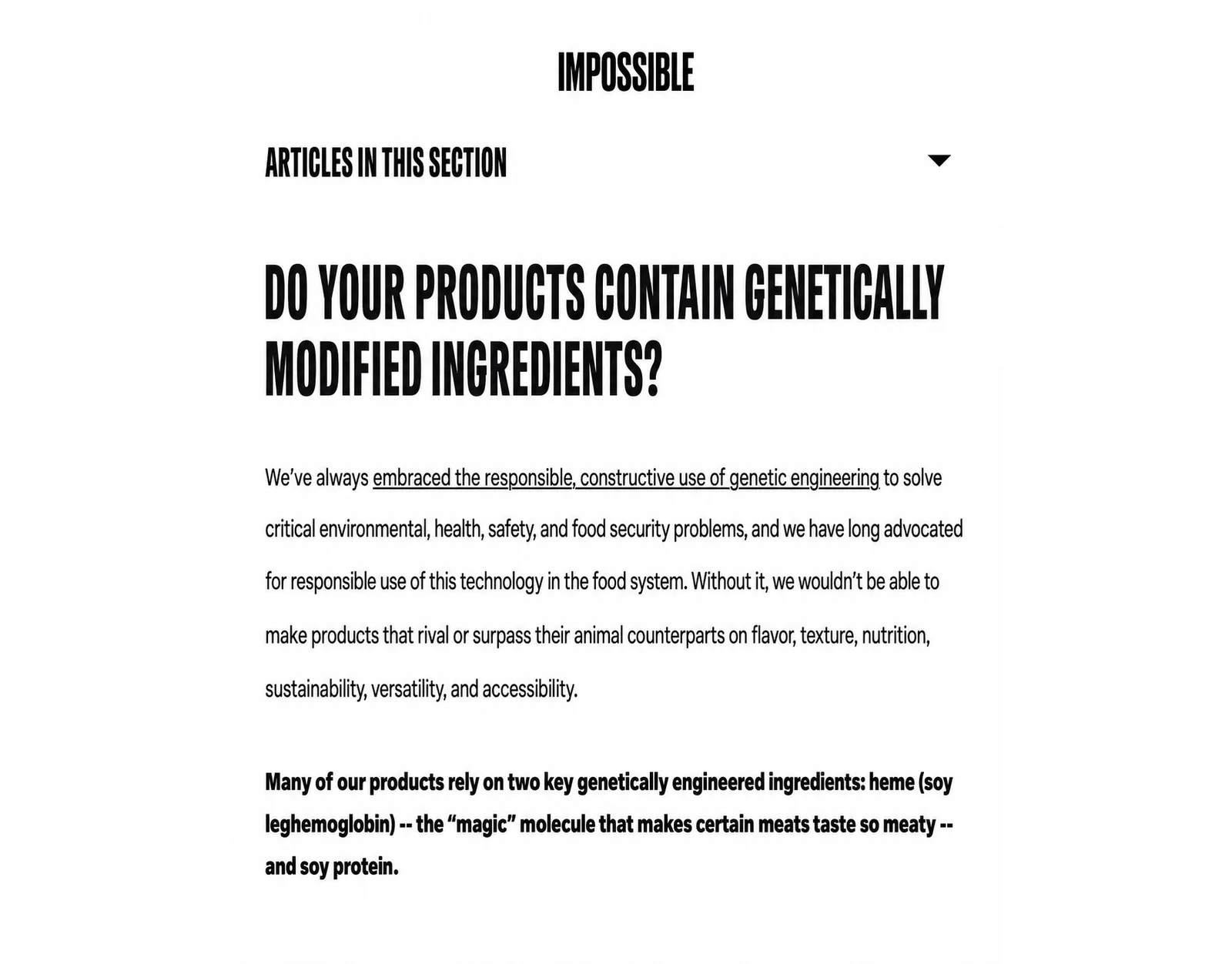
Many liked the mission but preferred the taste, price, and familiarity of real meat.
Many questioned why they would buy a product designed to recreate something they had already stopped eating.
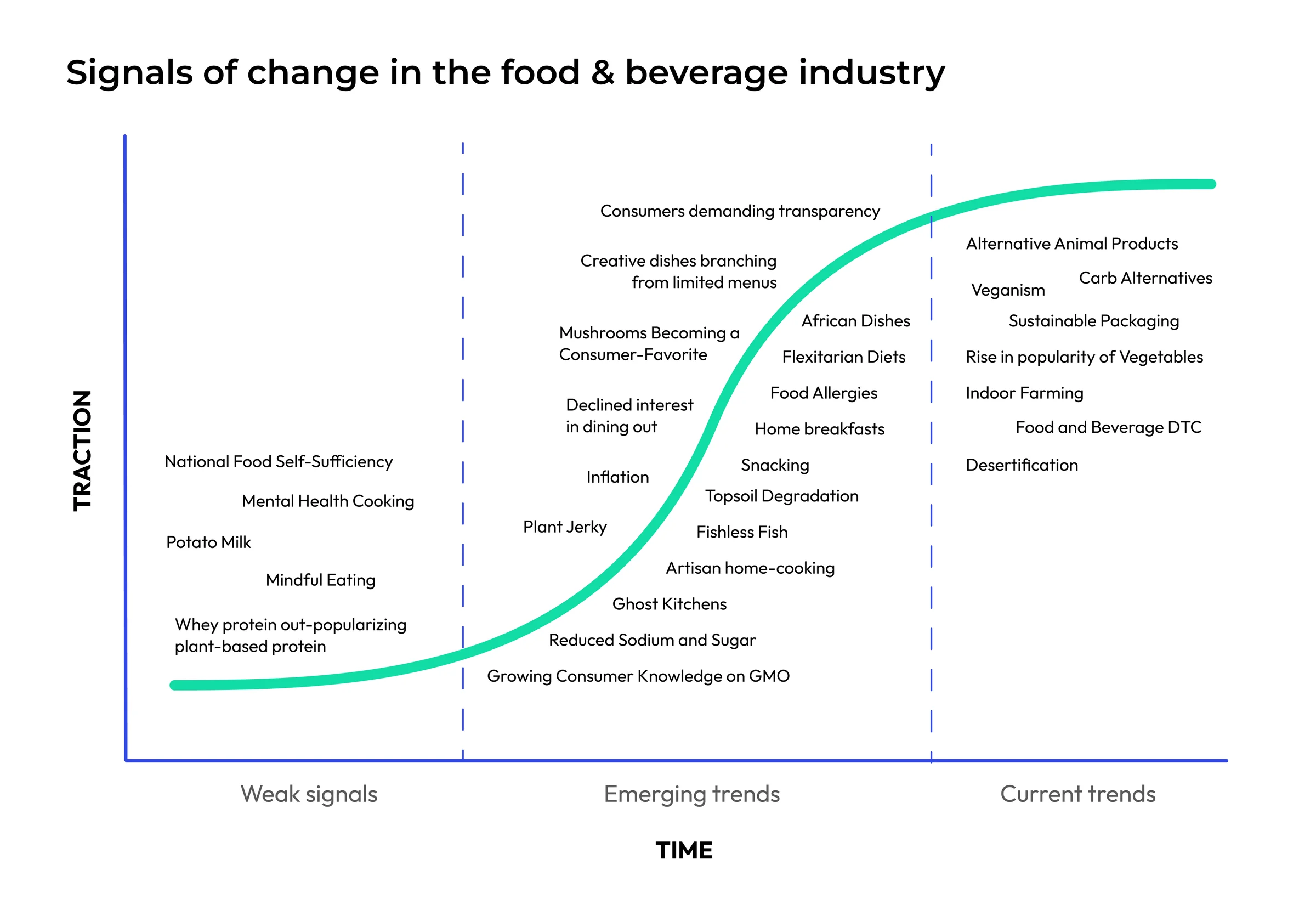
I mapped 30 signals across consumption, health and cooking, farming, and food technology to identify the shifts most likely to affect Impossible’s strategy.
Weak signals → emerging trends → current trends
I translated shifts in consumer trust, environmental pressure, technology, and distribution into four plausible futures, then identified the moves that held across them.
Plant-based food gains trust and expands into more categories, occasions, and households.
Allergens, inflation, and agricultural instability put pressure on ingredients, price, and production.
Meal kits, delivery, and digital-first food models reshape how people discover and consume products.
Distrust of GMOs and highly processed food weakens demand while the core recipe becomes harder to sustain.
Across all four, the same priorities kept resurfacing: strengthen the product, earn trust, and expand beyond beef.
Replicating meat helped Impossible stand out. Long-term growth required a stronger reason to choose the product, so I organized the strategy around three moves that addressed the current market gap and held across all four futures.
Reduce sodium, explore soy-free proteins, address allergen risk, and lower cost so Impossible competes on more than environmental intent.
Move ingredient education, GMO context, and supply-chain transparency from the website into packaging and retail.
Use new categories, meal formats, partnerships, and distribution channels to reach more eating occasions and future markets.
Foundational changes came first. New formats and categories followed only after the product, brand, and consumer trust were strong enough to support them.
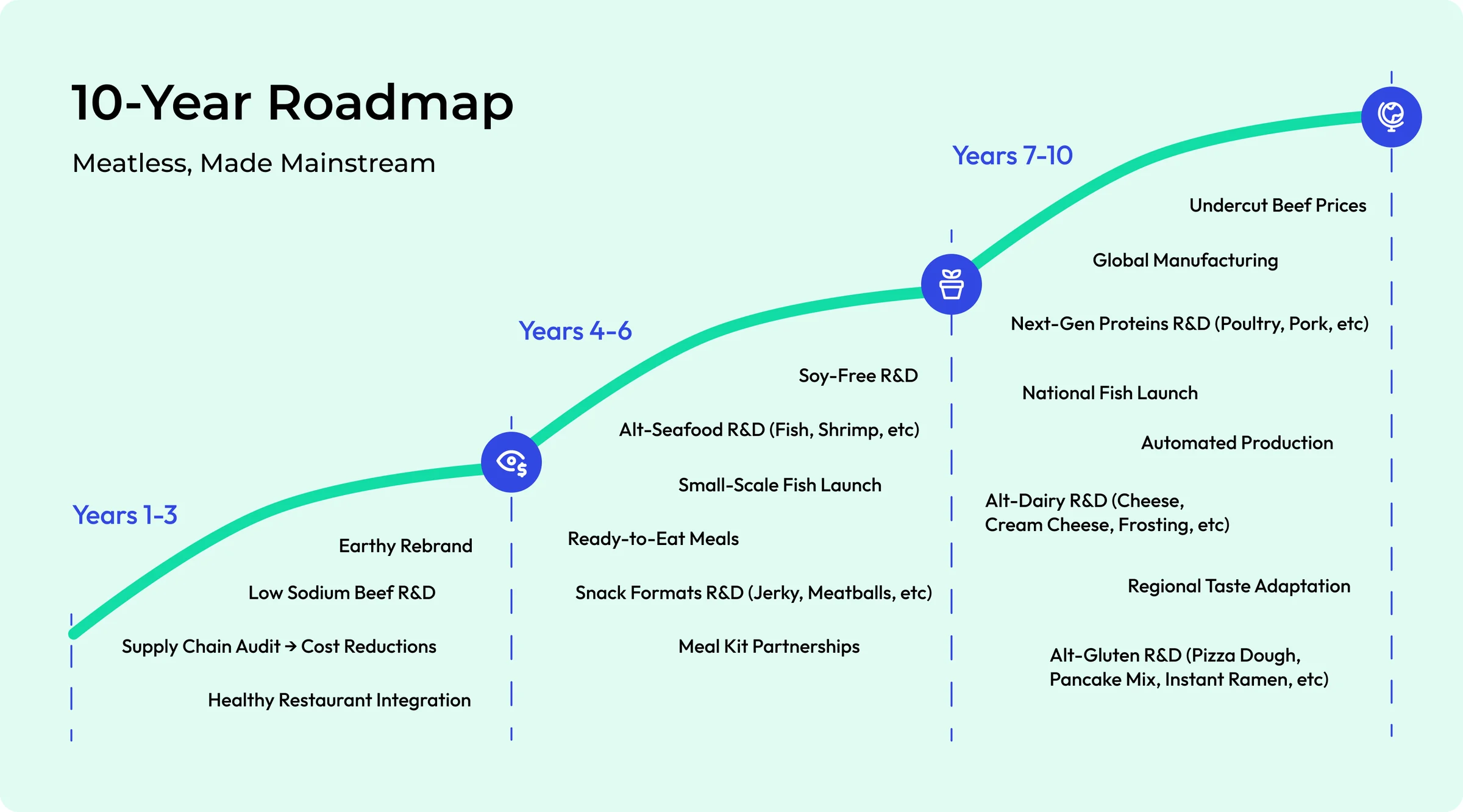
Improve the recipe, reduce cost, add ingredient context, and revisit the brand.
Launch meals, snacks, partnerships, and seafood concepts at a smaller scale.
Expand manufacturing, product platforms, and regional reach after proving demand.
In 2024, the company replaced its neon-blue identity with a bold red system built to broaden its appeal and carry the brand forward. Check out the new look at impossiblefoods.com.
The projected–perceived analysis revealed that the issue was deeper than packaging. Consumers were assigning a different meaning to the product than the company intended.
Their value came from revealing which investments held across several futures.
New categories were compelling, but the brand needed a clear position first. The roadmap separated immediate foundations from longer-term bets.